
Silicon Valley calls it optimization. Artificial intelligence evangelists name it efficiency. When Kitt Hodsden (BS ’92) eliminates tedious tasks for herself and colleagues at Apple—and before that, at Shopify and Twitter (now X)—she uses another term: laziness.
By her own playful accounting, Hodsden is the 47th laziest developer in the world. “Being a lazy developer doesn’t mean you don’t do the work; it means you find easier ways to do the work,” says Hodsden, who chose her ranking because she likes prime numbers that have straight lines.
In application, Hodsden’s laziness doctrine means taking bespoke platforms on Twitter’s ancillary sites and consolidating them into a single infrastructure. It also means finding the best hacks, including web template generators and task automation tools, and traveling the world to share them at developer conferences. A nondisclosure agreement with Apple prevents the senior software engineer from divulging her current responsibilities, but true to her ethos, Hodsden says she builds internal tools that save coworkers’ time.
From first gear straight into overdrive
An intolerance for illogical and inefficient tasks led Hodsden to her career as a developer. Soon after graduation, Hodsden became an engineer at Amerigon, a company founded by Caltech alumnus Lon E. Bell (BS ’62, MS ’63, PhD ’68). At the time, Bell wanted to prove that the talent and innovations coming out of Southern California’s dwindling aerospace industry could benefit the automotive sector. In addition to prototyping EVs, Amerigon sought to create climate control seating and the world’s first voice-activated vehicle navigation system, which Hodsden helped advance. Neither global positioning software nor portable disc drives were widely available or affordable back then, so Hodsden and her team paired voice recognition software with audio CDs loaded with street map data. Together, these technologies enabled drivers to tell the device their destination and receive turn-by-turn audio directions.

While Hodsden enjoyed the project, she hated editing street names in Amerigon’s program—and did not want the geographers that the company hired to endure the same frustration.
“The software we were given was really impossible to use; it required five or six clicks,” Hodsden remembers. “I looked at that program and said, ‘No, no, no. I’m not going to do this and I’m not going to teach someone how to do this.’ I taught myself that particular framework and rewrote it in the timeframe I was given to create a training program.”
In the mid-90s, Hodsden pivoted from automobiles to entertainment, specializing in post-production visual effects. She ended her Hollywood career as a lighting technical director for Antz and Shrek, ensuring that the films’ use of light, shadows, and reflections followed the laws of nature.
Chasing curiosity instead of titles
Tackling interesting projects with good people drives the Indiana native more than titles or prestige. Since leaving visual effects, Hodsden has focused on software development for a wide range of tech companies and is equally satisfied working for Shopify, helping smaller ventures such as ThinkGeek, and starting and shuttering her own consulting firm.
“I often read profiles of people who have been in the same research area for decades, and I envy their focus,” Hodsden says. “Is the arc of my career one that is maximized? Not necessarily—but it’s been a lot of fun along the way.”
The same mindset to forge new paths shaped Hodsden’s community project. In the early 2000s, she became one of the founding investors and organizers of Hacker Dojo, a Silicon Valley hacker space that welcomed both the curious tinkerer and the entrepreneur—Pinterest was conceived there. Although she stepped back from the organization in 2012, Hodsden champions developers as an avid Kickstarter backer and startup investor.
Reaching the peak, but still climbing
For Hodsden, efficiency creates space for more interesting endeavors.
At various times in her life, Hodsden has tested herself by fasting once a week, memorizing a new poem every month, and doing burpees that corresponded to the number of days in the year; in 2015, she started with one burpee on January 1 and completed 141 on May 21.
When a friend mentioned summiting Mount Vinson, the highest peak in Antarctica, Hodsden decided to join her. For the next two and a half years, the novice climber trained with a guide to prepare herself for the extreme weather conditions and icy terrain of Earth’s most desolate continent. Before that, Hodsden was the driving force behind her Ultimate Frisbee team’s conditioning program. The former Caltech track athlete repurposed a soccer training program and encouraged her teammates, both women and men, to follow it. The grueling line drills built up their endurance and speed and powered them to an Ultimate Players Association national title in 2006.



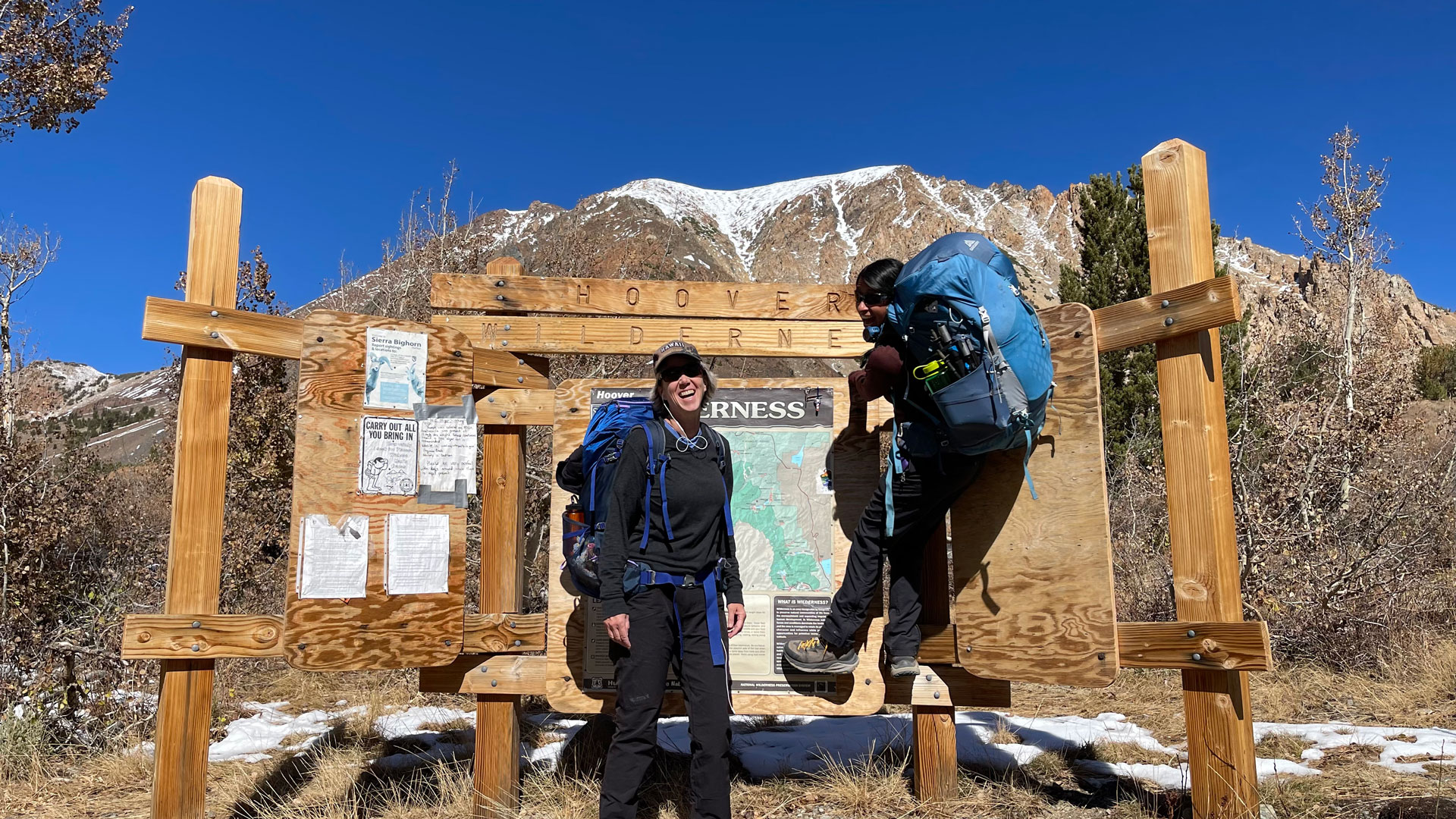



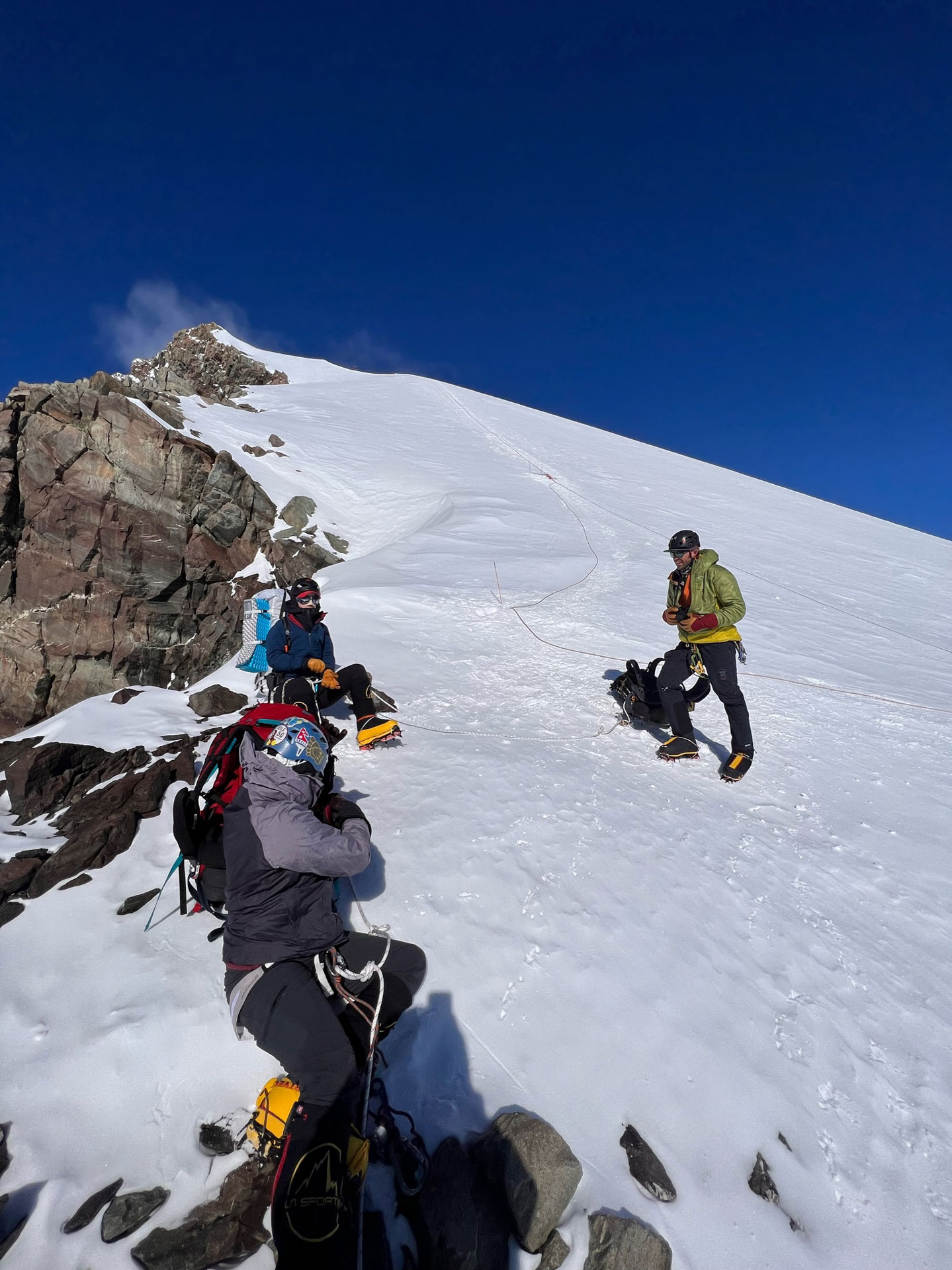
Every major challenge is met with well-intentioned “whys,” but Hodsden still has a hard time explaining her motivation.
“I firmly believe that I belong in the room, but getting into the room is often difficult for women,” says Hodsden of the literal and figurative space where power is wielded and decisions are made. “I’m not sure, maybe I developed a chip on my shoulder and want to prove to others my capabilities. What I do know is that exploring different thought processes and physical limitations is amazing and I don’t know why more people don’t do it.”