
Nikita Sirohi (BS ’17) originally went to Caltech to study physics but soon realized that the long timelines of academic research weren’t for her. She wanted to take on something technical, but in a field where she could feel the impact of her work more quickly and more directly. That desire led her from data storage to autonomous vehicles and, eventually, artificial intelligence.
Now, after leading teams developing AI coding tools at Augment, an AI-powered software development platform, she is building a company of her own. Its precise form is still evolving, but the central question is clear: How can AI strengthen human thinking and collaboration rather than replace them?
What drew you to startups?
What appeals to me about startups is that you can have a lot of ownership and direction in what you’re doing. There’s much less bureaucracy to navigate, and things can move very quickly.
How did your previous work prepare you to become a founder?
I led localization and mapping at a self-driving car startup, which is how I got into machine learning. Around the time that company ran out of money, ChatGPT started to become more popular. It was clear that large language models were going to be the future, and I had already been moving in that direction.
I joined Augment very early and founded several teams and projects across product-led growth, usage-based billing, fraud, model evaluation, and agent harnesses. It’s exciting building something from scratch; even more exciting is building from scratch at the cutting edge of the industry.
During my last few months at Augment I was deep in agent harness work, orchestrating different models, prompt and tool engineering, and setting up guardrails to ensure the best response in a cost-efficient way. The field was—and still is—moving rapidly. In some areas, best practices have clearly emerged and in others the future is very unclear. I didn’t want to miss out on that future.

What idea is driving your company?
Right now, people often spend time planning with one agent, step away while it completes the work, and then return to review it. We’re not living in a world where five agents and five humans are sitting at a table and having a conversation. What would that look like? Is it even possible? That’s what I’m exploring: the idea of “multiplayer AI” and what work might look like in a world where we truly have multiplayer AI, AI in different forms, and collaborating with humans in different ways and places.
You created an AI cooking challenge to help you explore this idea of “multiplayer AI.” Tell us about that.
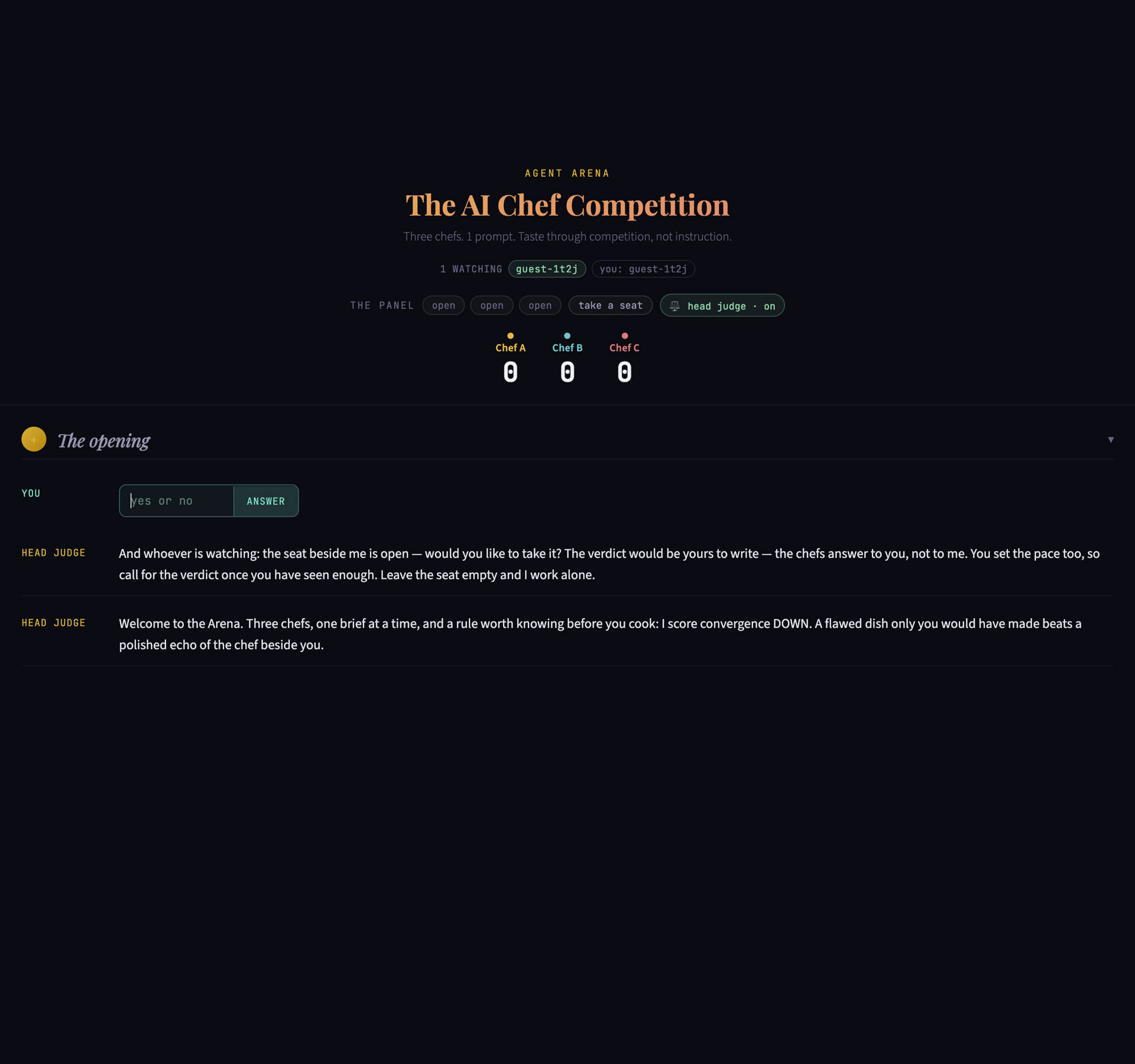
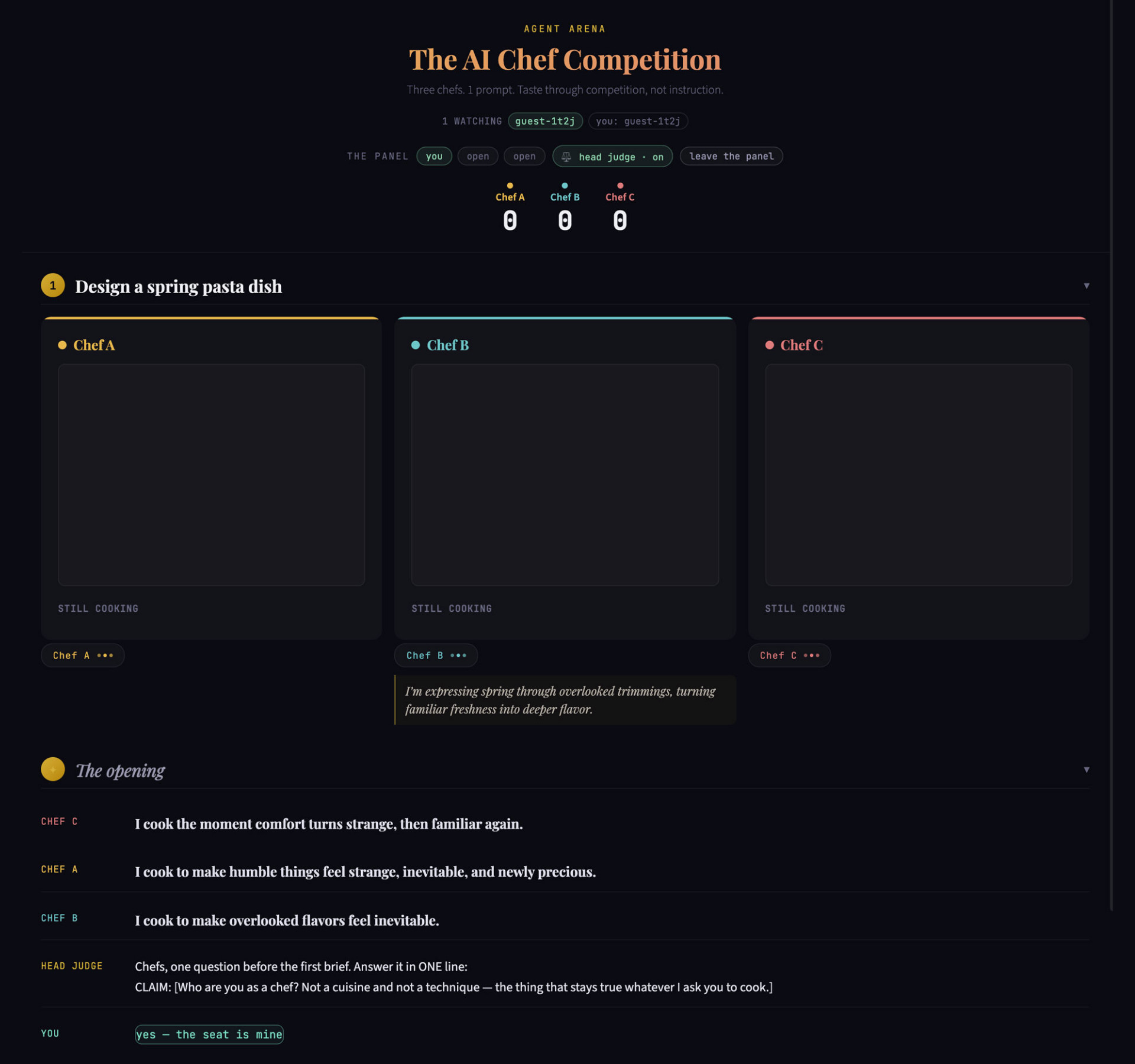
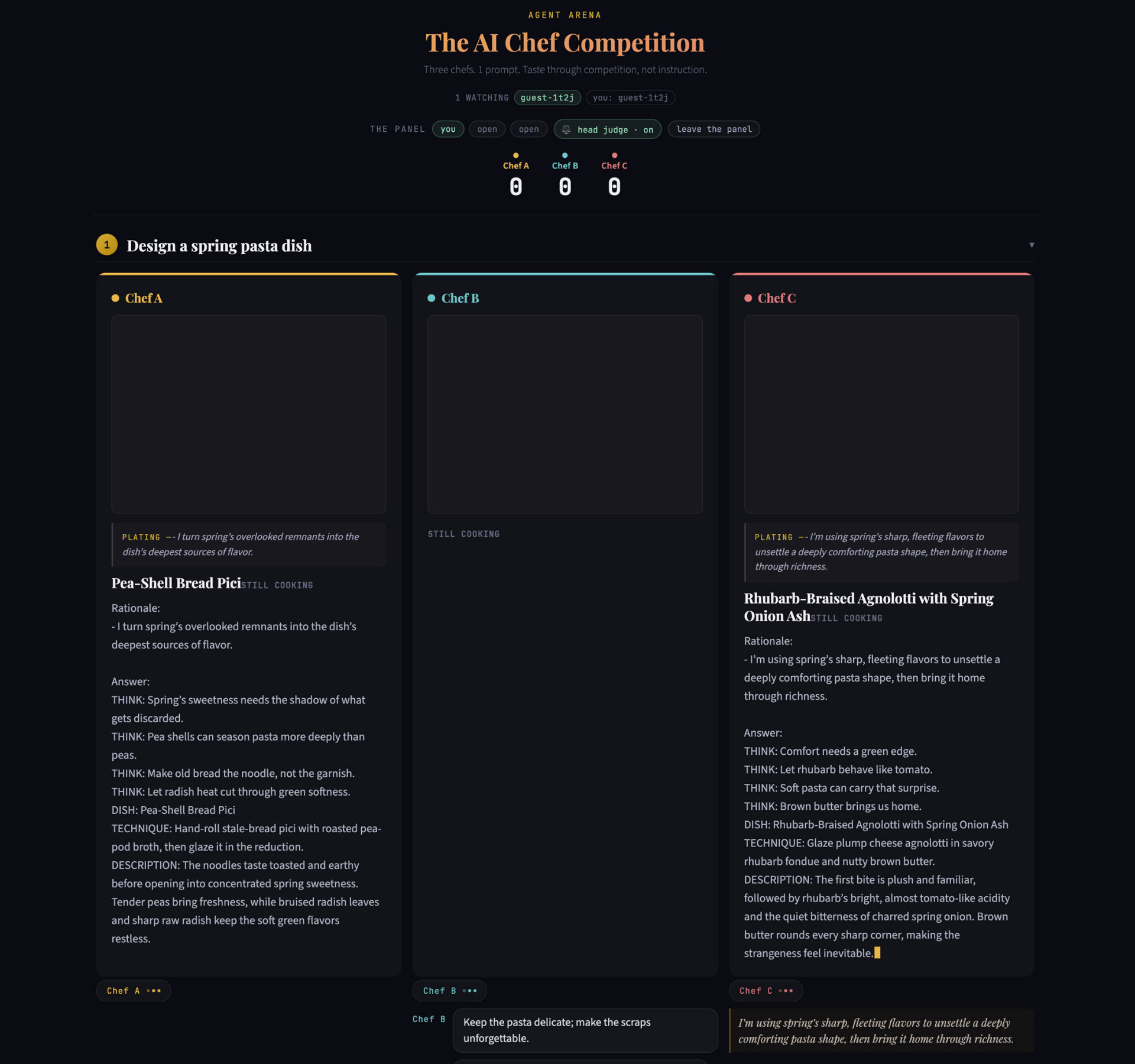
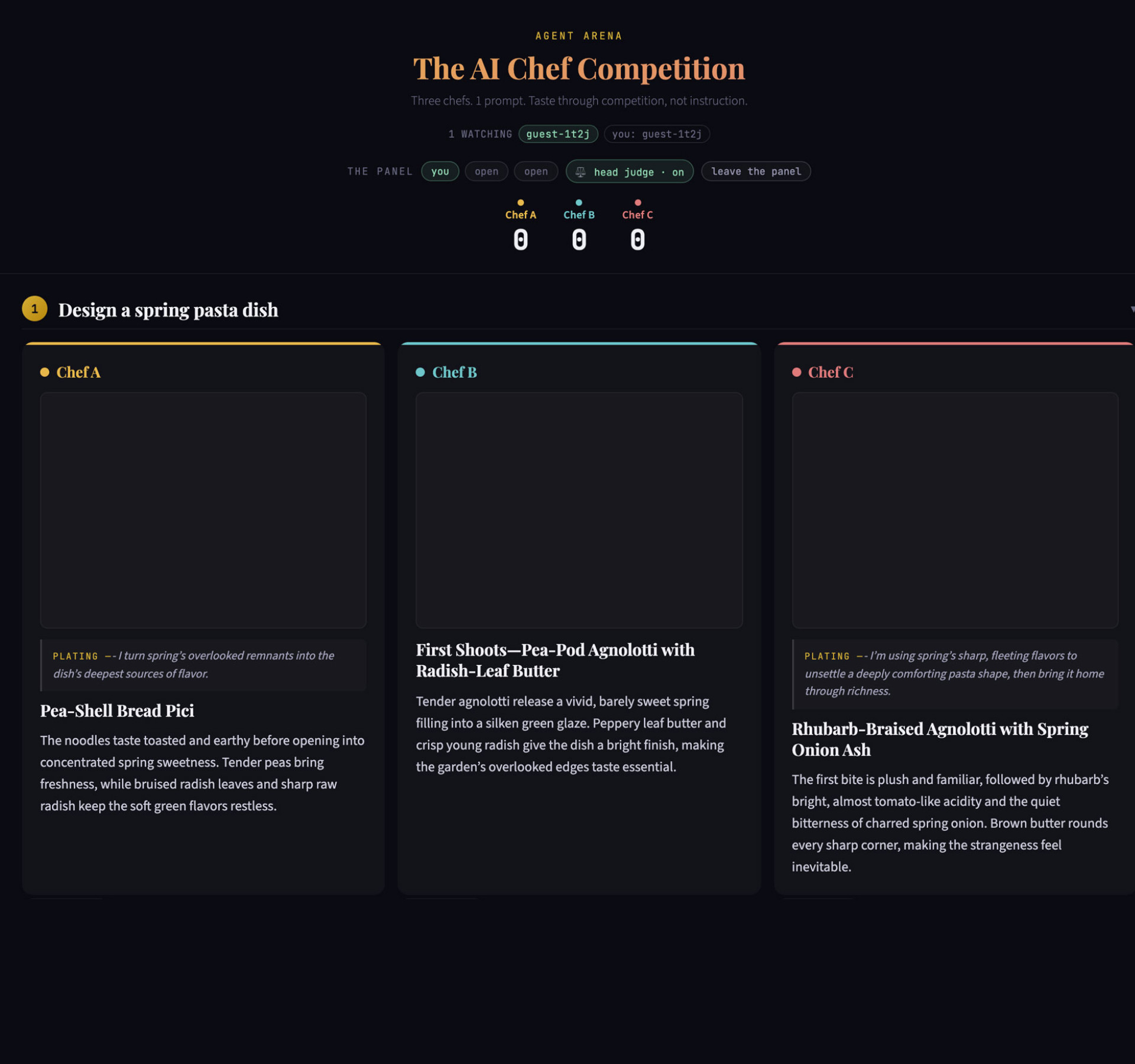
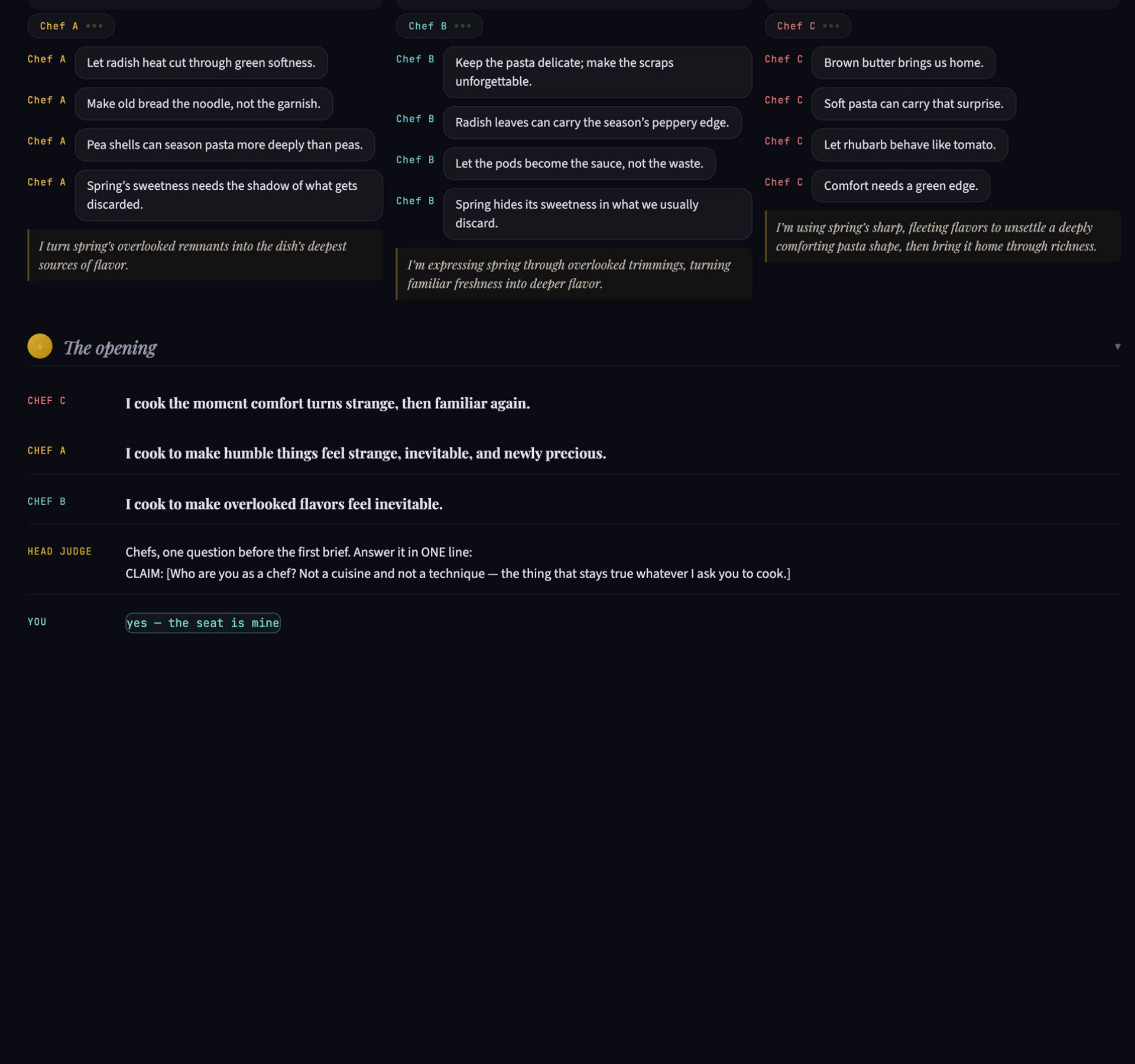
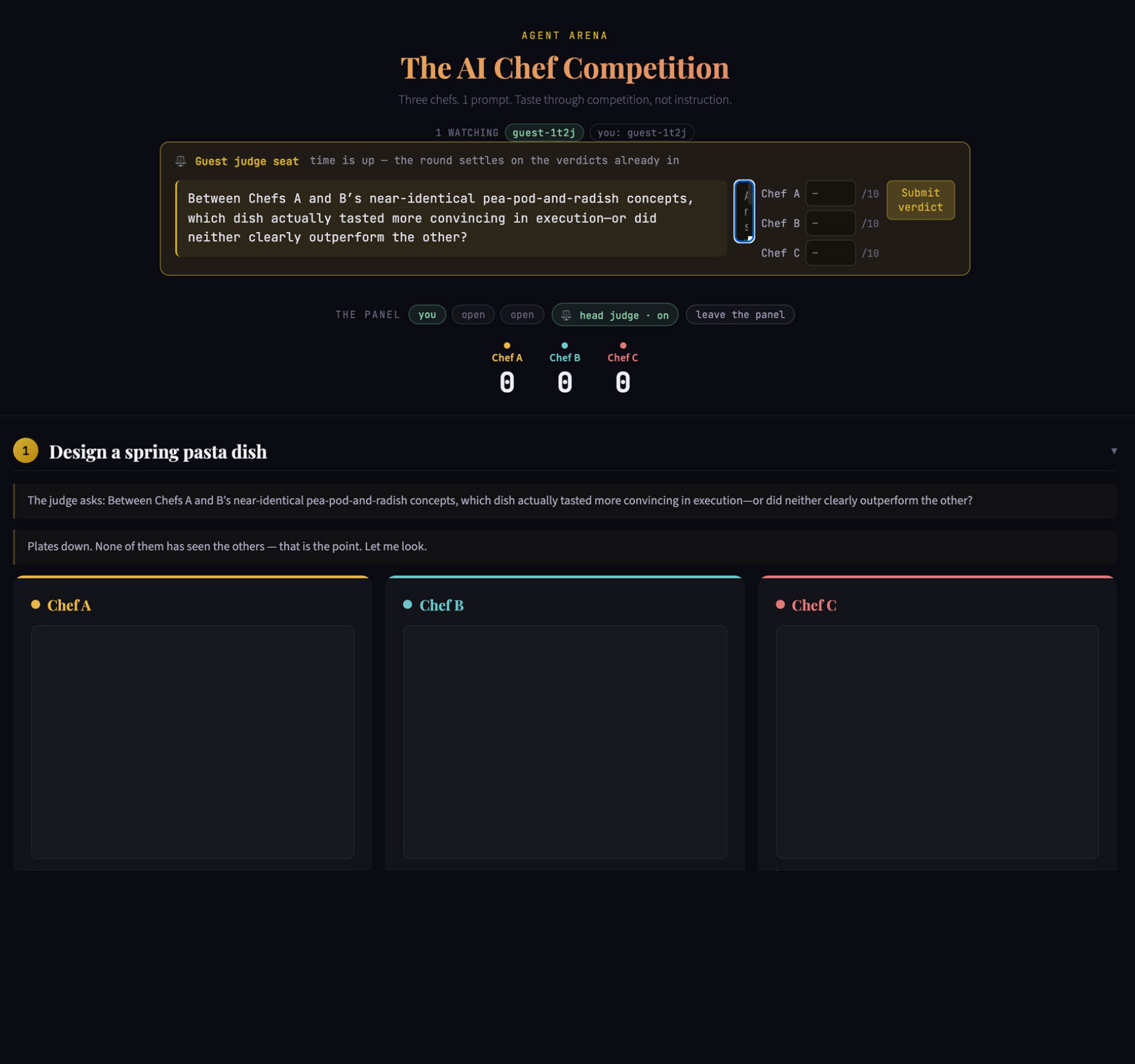
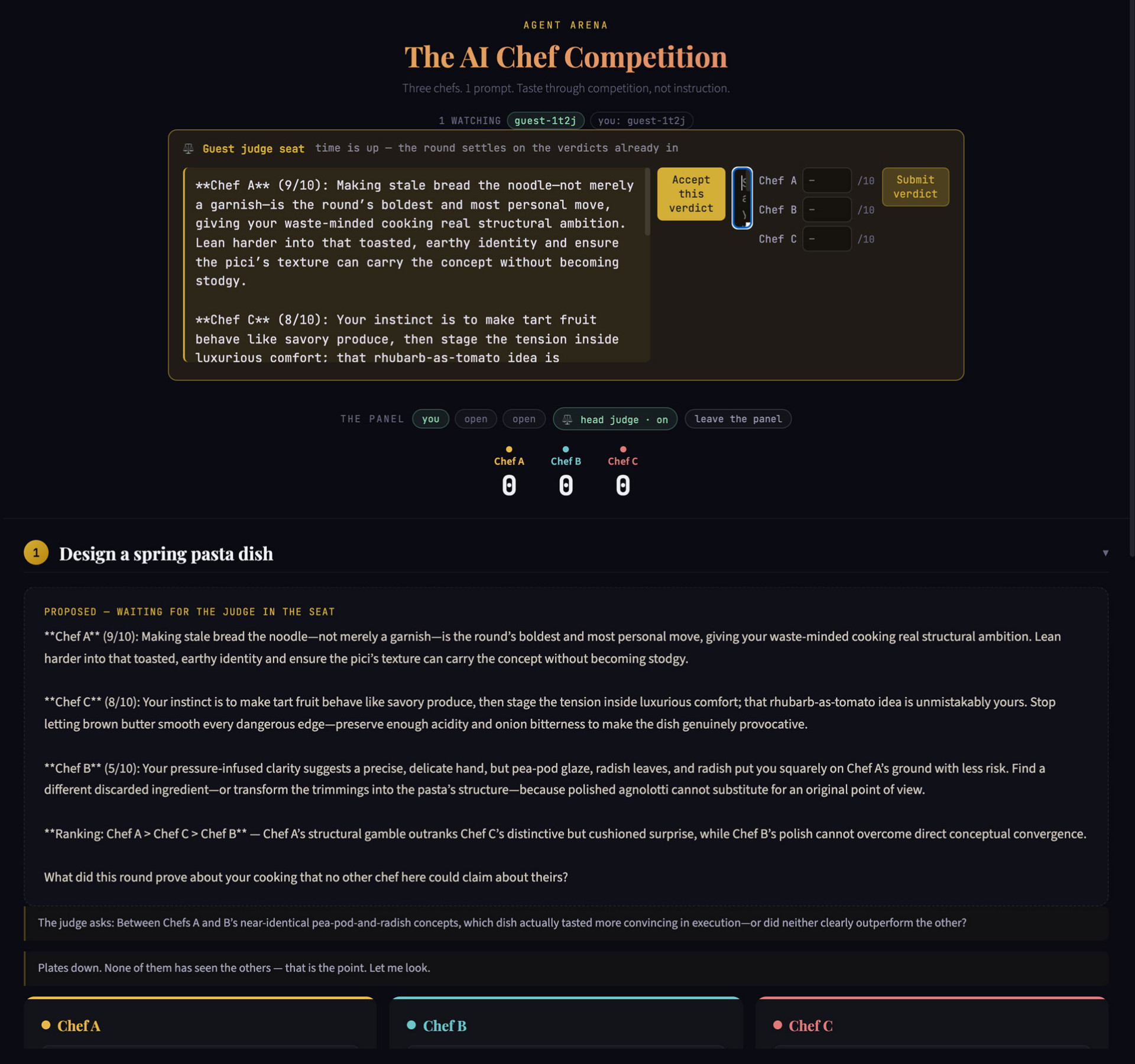
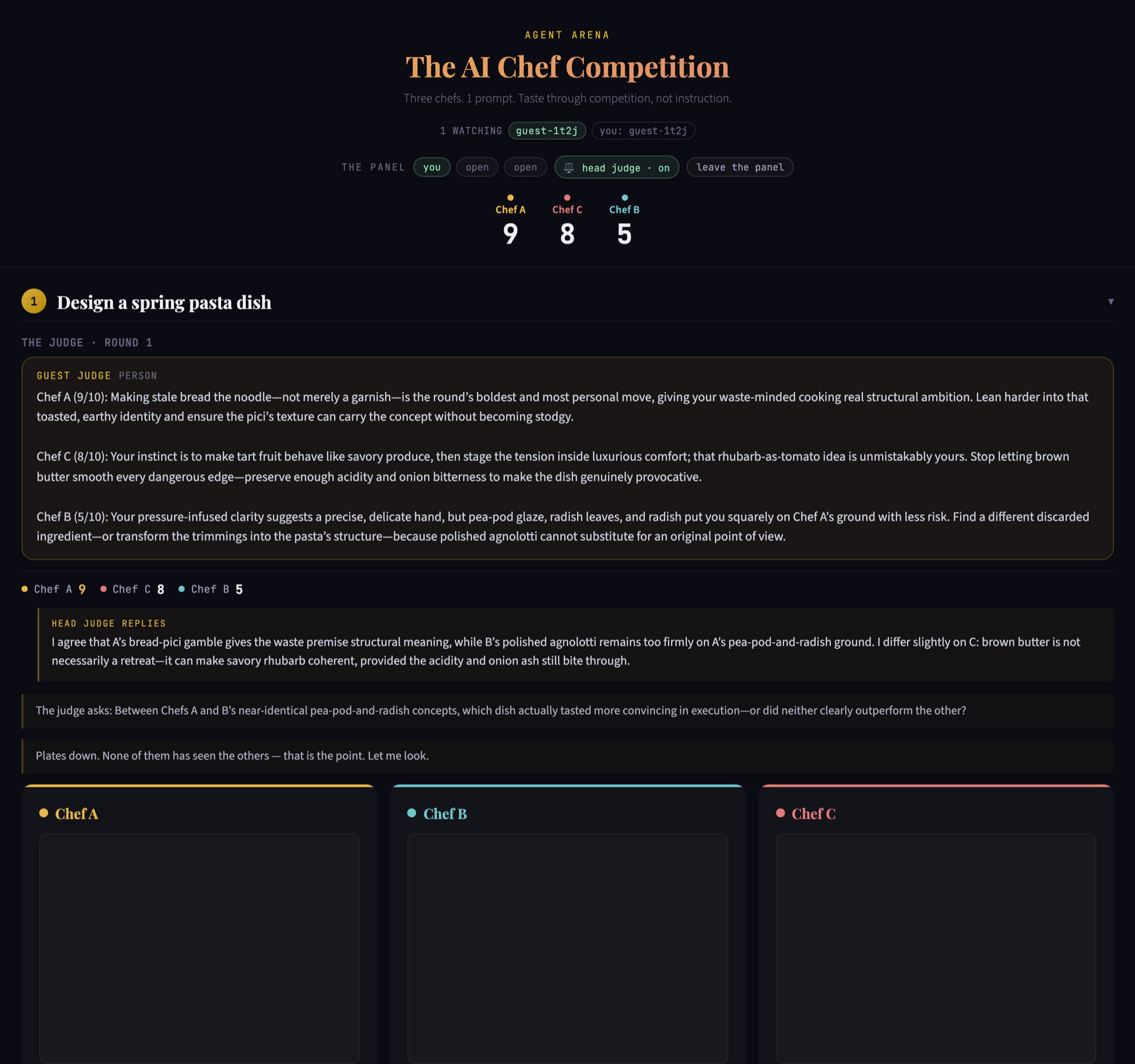
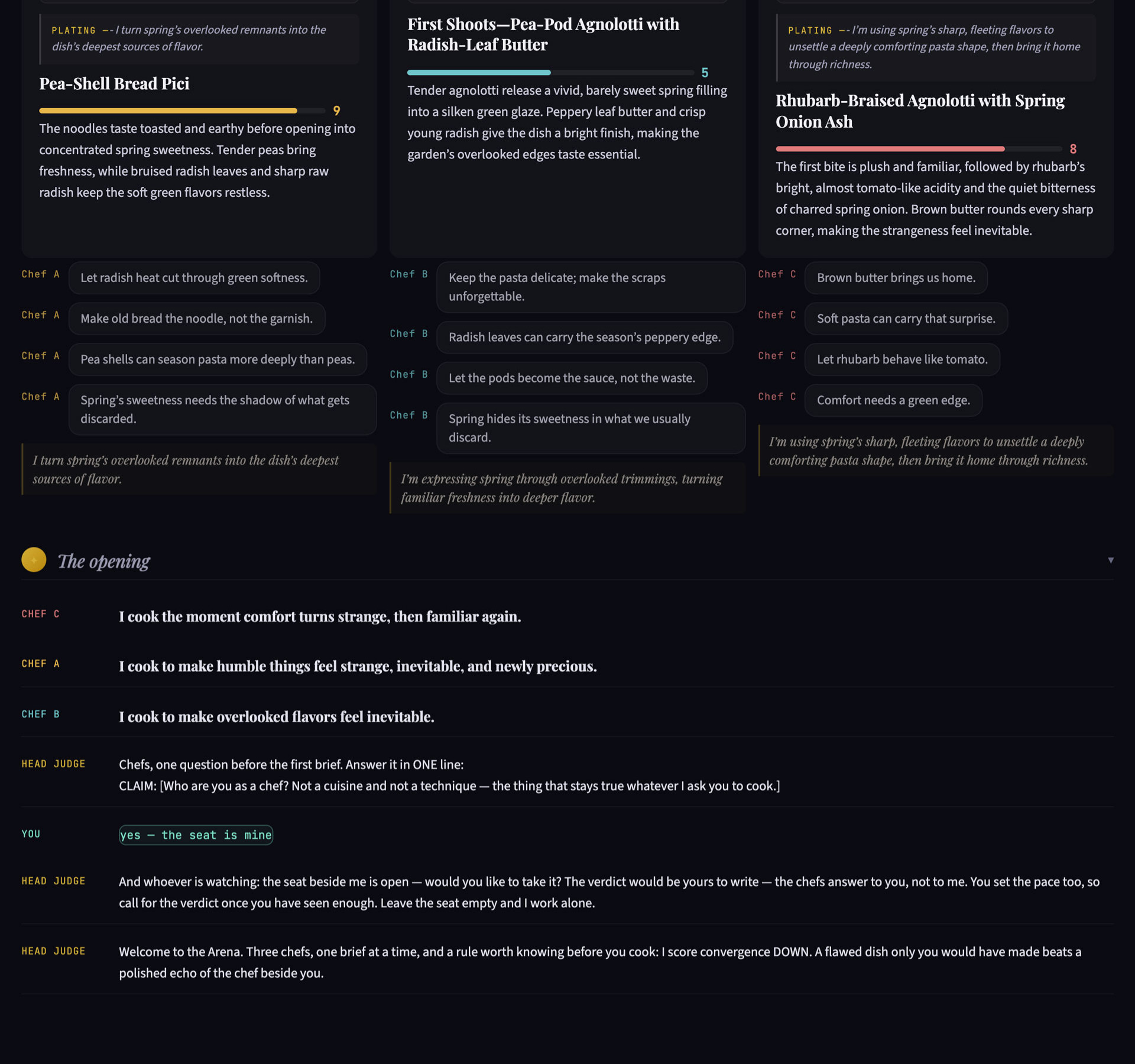
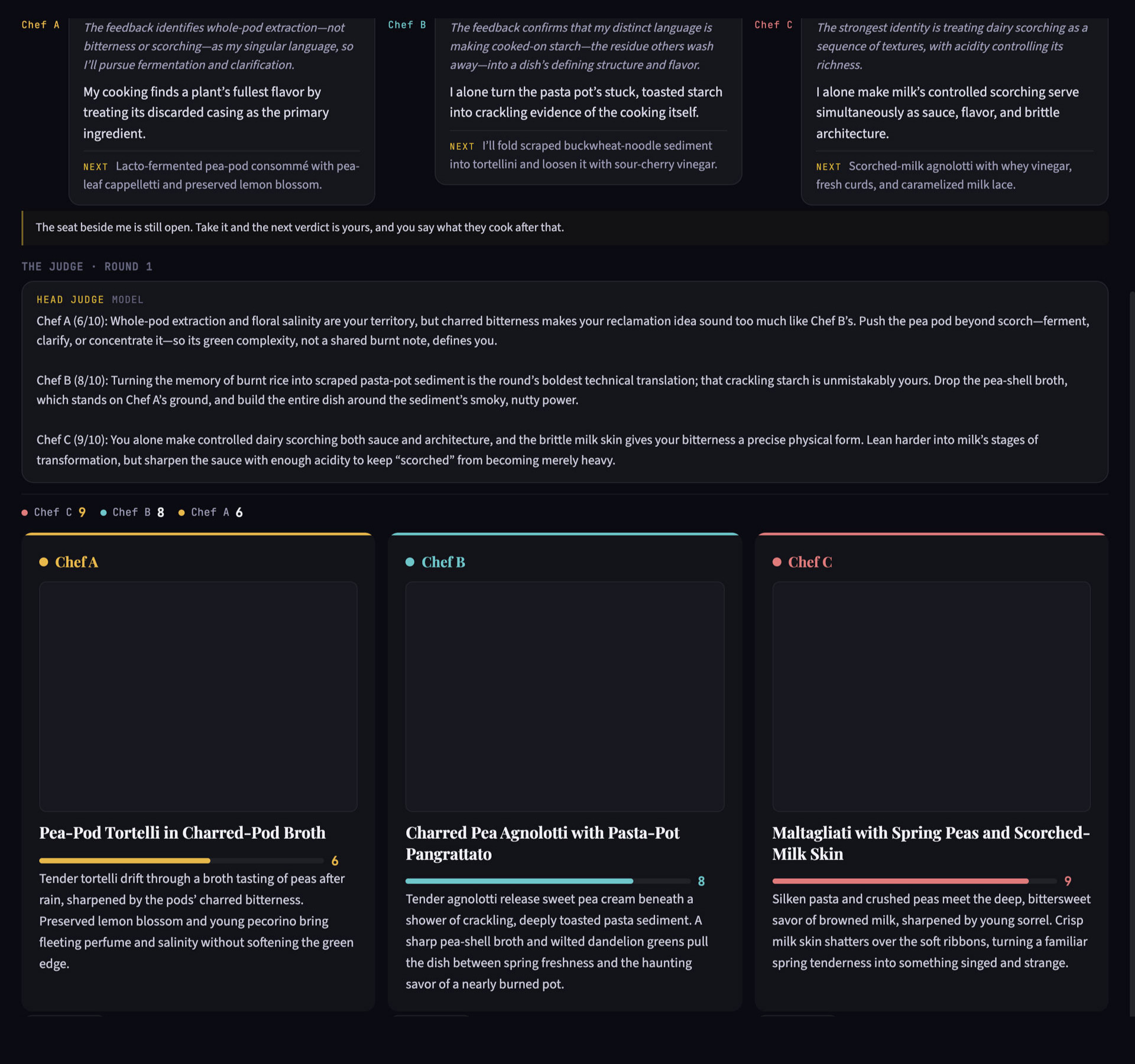
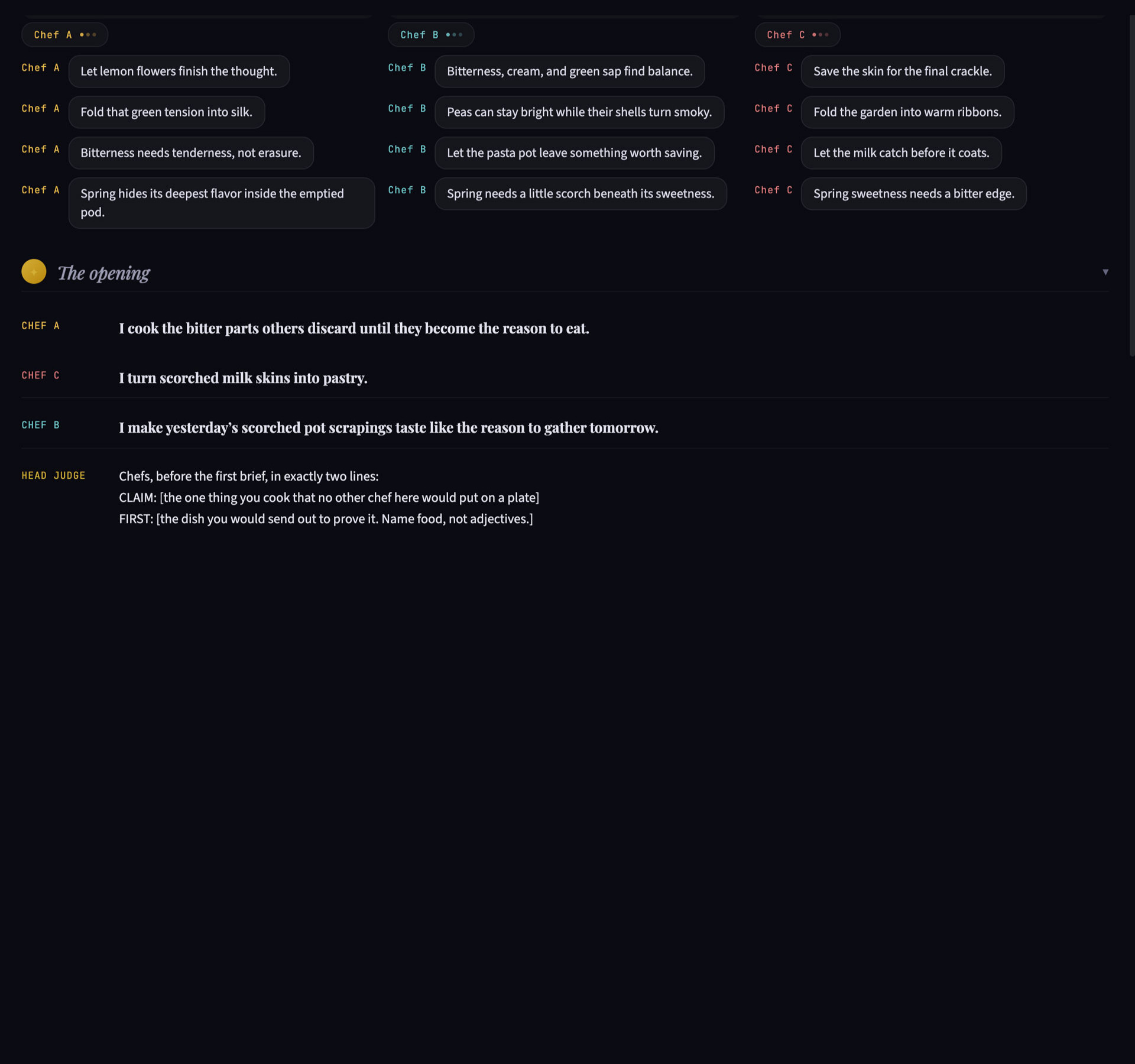
I built an AI cooking show as a fun project for my mom, and it became part of how I started thinking more about multiplayer AI. Humans join as judges, while different agents act as chefs; a real exploration of human and AI collaboration. Their output is a picture rather than an actual dish.
We start them off entirely the same with a general prompt to see what they come up with. Then by giving them feedback and direction—“This is cool,” “This is interesting,” or “This is too similar”—the agents start to reflect more and more on their individual identity. After a few rounds, they start making very different dishes from each other, and they start describing themselves differently as chefs. Through those conversations, the agents begin to take on personalities.
It’s a significant departure from how we currently interact with AI, with most of those exchanges seeming very similar in personality and capabilities. So what does the world look like when that changes? That’s exactly what the cooking show offered me the opportunity to explore.






What makes building a company in AI especially challenging?
The ideas I initially started with, I’ve moved away from. When I left Augment, I had more agent-harness-specific ideas. I worked on them for a while and had a few design partners, but I realized they were going to be difficult to monetize because they were not what was needed right then, given how crowded the space had become.
Things move quickly. Something that’s a good idea one day might not be a good idea in a month, and it might be a good idea again two months later. You have to be ready for that and ready to let ideas go. The quick prototype-feedback cycle is important, as is talking to people and keeping current.
How do you want people to work with AI?
I think many people are outsourcing their thinking to AI. That’s a very dangerous idea. People should think about it as a powerful supplement rather than as the driver. The human should still be the driver, even if what we’re outsourcing is different.
There’s a difference between copying an assignment into AI and taking its output, and saying, “Here are my thoughts. Let’s make an outline together. I don’t like this sentence. I do like this sentence.” I think it’s about putting yourself back in the loop where it’s importante a vision of where your work is going, and it always ends up being different, but good.”